From Stainless Steel to Semiconductors | Taiwan Factory Rise
When people talk about Taiwan’s semiconductor dominance, names like TSMC often dominate the conversation. But behind the headlines lies a network of specialized manufacturers—companies that rarely make the news, yet are essential to the industry’s daily operations.
One such story begins in Taoyuan, Taiwan.
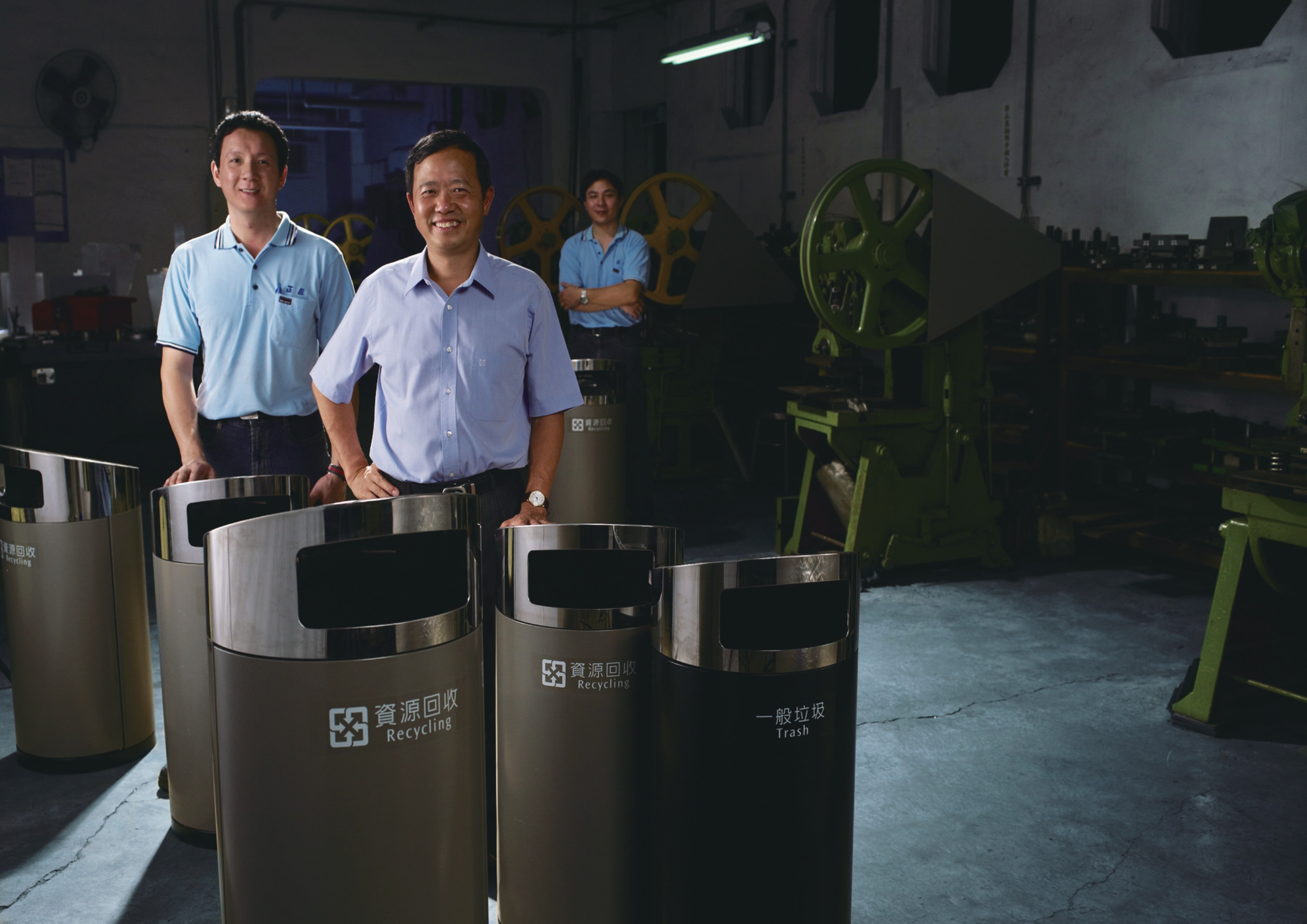
Originally known for producing everyday stainless steel products like trash cans, YJ Stainless has quietly transformed itself into a critical supplier of wafer frames—precision components used in semiconductor manufacturing. Today, it serves a significant portion of Taiwan’s semiconductor ecosystem.
This isn’t just a story about business growth. It’s a story about adaptation, precision, and long-term industrial expertise.
From Everyday Products to High-Tech Precision
Like many traditional manufacturers in Taiwan, YJ Stainless’s early years were rooted in practical, everyday production. Stainless steel trash cans, kitchen fixtures, and industrial components formed the backbone of its business.
But over time, the limitations of low-margin manufacturing became clear.
Instead of competing on price, YJ Stainless made a strategic shift—moving toward high-precision stainless steel applications. This transition wasn’t immediate. It required:
- Investment in advanced machining capabilities
- Strict quality control systems
- A deeper understanding of industrial applications
Eventually, this expertise aligned with a fast-growing opportunity: the semiconductor industry.
Understanding the Role of Wafer Frames in Semiconductors
Wafer frames (also known as dicing rings) are essential tools used in semiconductor back-end processes. They:
- Secure wafers during cutting (dicing)
- Maintain structural stability during handling
- Ensure precision during chip separation
Even minor deviations in flatness or material quality can lead to defects—making reliability non-negotiable. This is where traditional stainless steel experience becomes an advantage.
Why Stainless Steel Expertise Matters
At first glance, stainless steel fabrication and semiconductor manufacturing might seem unrelated. In reality, they share a critical common ground: precision at the micron level.
YJ Stainless leveraged decades of experience in:
- Material consistency
- Surface finishing
- Structural stability
To meet the strict requirements of semiconductor clients.
In particular, using 420 stainless steel allowed for:
- High rigidity
- Excellent dimensional stability
- Long-term durability under repeated use
These qualities are essential in wafer handling environments, where consistency directly impacts yield.
Earning Trust Across Taiwan’s Semiconductor Ecosystem
Breaking into the semiconductor supply chain is not easy. It requires more than just technical capability—it demands trust.
Through continuous improvement and long-term partnerships, YJ Stainless gradually became a preferred supplier to major players across Taiwan’s semiconductor industry, including firms within the broader ecosystem surrounding ASE Technology Holding and Amkor Technology.
Its growth was driven by:
- Consistent product quality
- Fast response to custom requirements
- Reliable production timelines
Over time, this reputation translated into widespread adoption across semiconductor facilities.
Precision Manufacturing as a Competitive Advantage
What sets YJ Stainless apart isn’t scale—it’s specialization.
Key capabilities include:
- CNC precision machining for tight tolerances
- Surface finishing control (polished vs matte)
- Laser engraving for traceability
- Custom wafer frame design (6”, 8”, 12”)
These aren’t just features, they’re requirements in semiconductor environments where even microscopic inconsistencies can affect production outcomes.
Conclusion
While global attention focuses on chipmakers, the reality is that industries like semiconductors rely on hundreds of specialized suppliers working behind the scenes.
YJ Stainless is one of them.
Its story highlights how traditional manufacturing—when combined with precision, adaptability, and long-term vision—can evolve into a critical part of one of the world’s most advanced industries.